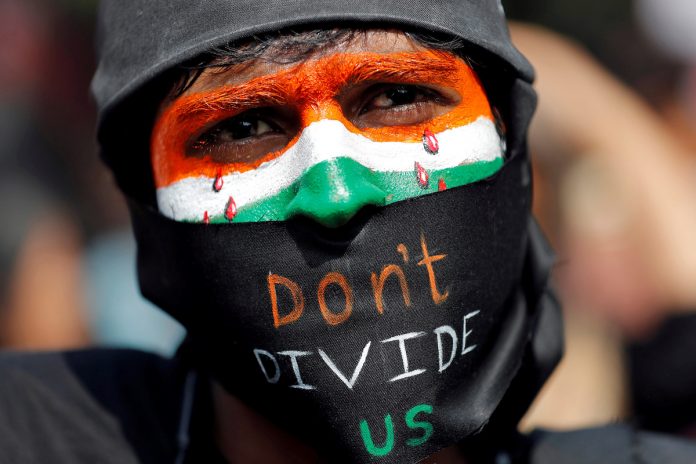
Citizenship and religious tensions
An Act to amend the Citizenship Act, 2019 CAA, mid-December.
Prime Minister Modi has passed a bill to allow minority groups in neighboring countries facing persecution to gain Indian citizenship by faster route. This possibility excludes Muslims.
Marches and demonstrations against the law have been transformed into intercommunal violence . Riots continue to this day, last February they left 53 dead according to the BBC.
Is Modi trying to turn Muslims into second-class citizens?

Indian Prime Ministers used to celebrate the end of Ramadan with Muslims. The current head of state has stopped doing so. The Muslim community sees this further change as hostility from the Prime Minister.
On the other hand, this law could be justified since the surrounding countries concerned: Pakistan, Bangladesh and Afghanistan are mainly Muslim, which means that they are not the main targets of persecution. Sikhs, Christians, Hindu Buddhists, Buddhists, Christians, Parsis and Jains migrating from these countries.
Consequences at the regional level
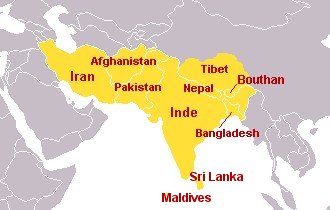
India could rekindle tensions with its Muslim neighbors, particularly Pakistan. The problem with the bill not only has an internal impact on Muslim communities, but it could also be viewed as provocation by neighbors of the Muslim-majority countries of India.
This path to citizenship offered to all minorities living on their territory can mean support for them and that India puts itself as a defender, which means against the regime. One could go so far as to imagine that in the event of a rebellion of these groups or an insurrection they could count on the support of India. The three countries targetted by this decision replied that it was not necessary and that there was no persecutions in their respective countries against these minorities.
Favorable geopolitical and international context?
India through these recent measures, notably the revocation of the autonomy of Kashmir has established itself as a regional leader and strengthens its authority over its Muslim neighbors. With the support of the United States and Western powers to act as a counterweight to China, the Prime Minister is sure that these « sovereignist » or nationalist measures will pass without intervention from the international community.
Indeed, it has since been very reserved, the governments having condemned intercommunal violence and the CAA, are Indonesia, Pakistan and the President of Turkey. As in the Kashmir crisis when Pakistan relied on the Gulf countries, the UAE ambassador to India said that non-interference in internal affairs was a principle that should be respected.
MAH.K

 Overbooked by Moss
Répondre à Tim Onayemi Annuler la réponse.